
Cameron Galloway
Entry Level Mechanical Engineer
Senior Design
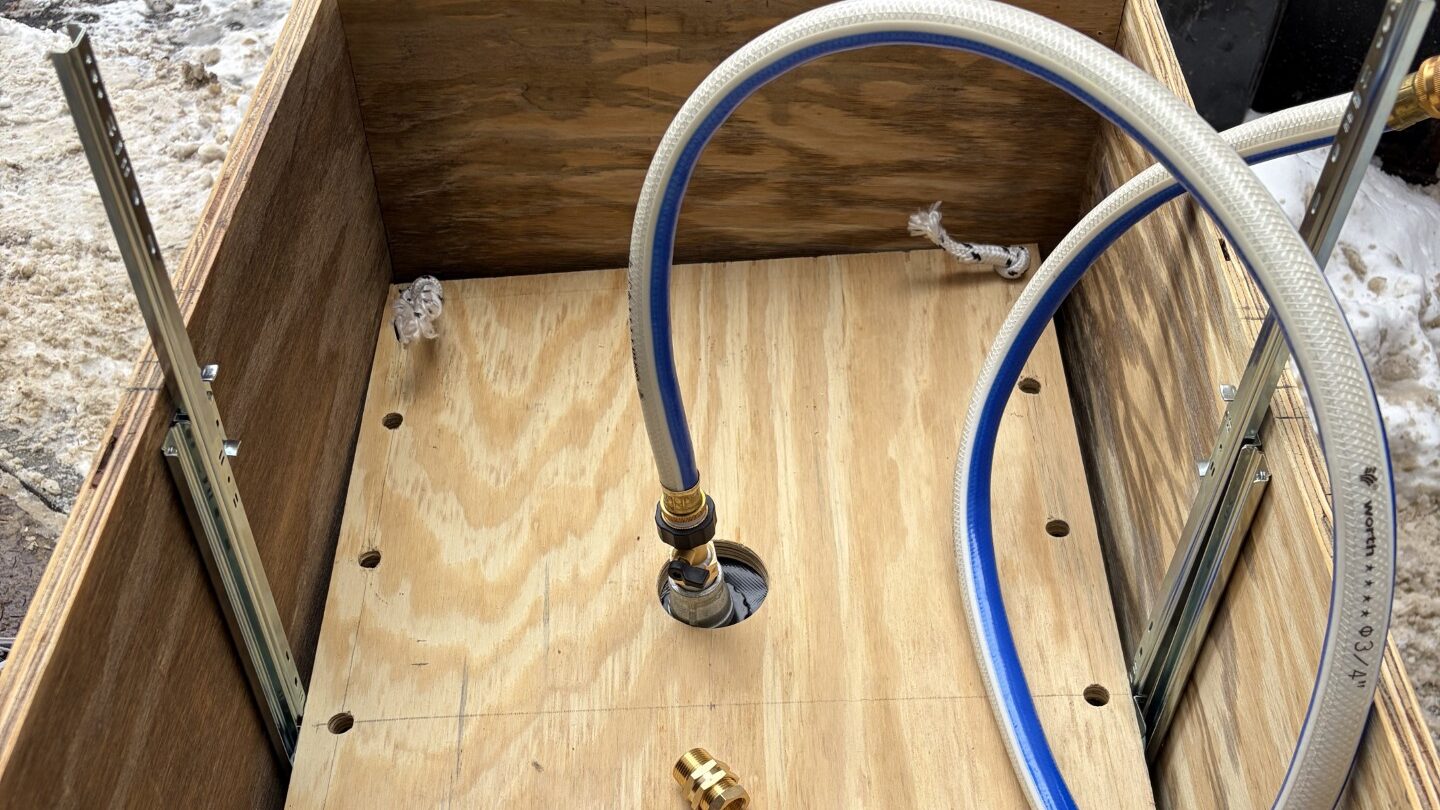
Hydro Storage Energy Prototype
Proposal
Design and build a working energy storage device that uses fluid to store tensile energy, innovating gravitational pumped storage hydro energy to improve scalability and portability.
Execution
Design
Starting from a patent, design an energy storage device which leverages the mechanical energy stored in tensioned fibers to produce electricity via a turbine generator. Most of the design parameters are left to the team’s discretion, but it’s required that tensioned fibers are the method of energy storage.
Test
Run numerous tests varying a series of parameters to determine the feasibility of this energy storage method and optimize the electrical output. These test parameters include fiber strain, material, and count.
Refine
Use test experience and data to identify areas of improvement in the design. Current improvements involve increasing stability in the elongation process, maximizing water input to the bladder, pre-straining the fibers, and controlling the power output.
Present
With clarity and practicality in mind, present the final design to engineers, professors, and colleagues. This should involve something relatable which demonstrates how the device can be used in daily life.
Other Projects
Mechanical Properties and Vibration Response
Forced Convection With a Heat Sink
Speed Reducer Design and Analysis
Inverted Pendulum Optimization
Vibrations | MATLAB, Accelerometers, FFT Analysis
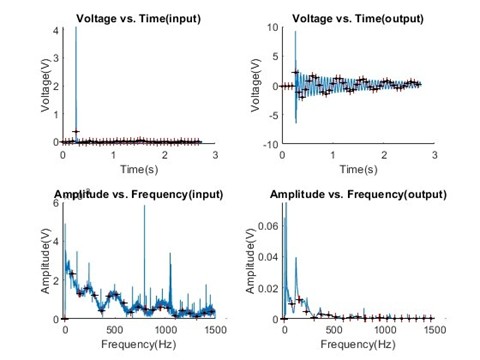
Conducted a vibration analysis using FFT techniques to evaluate how mechanical properties affect an object’s vibrational response across the 0-30Hz range.
- Performed shaker tests and impact hammer tests for three beams of varying length (16in, 20in, and 24in) and examined the changes in both damping and natural frequency.
- Ran several simulations varying material, geometry, mass, and damping coefficients to analyze their effect on vibration behavior.
- Calculated theoretical values for damping and natural frequency to discern between idealized models and real-world behavior, with most percent errors below 15%.
This project strengthened my ability to interpret accelerometer data in the frequency domain, recognize resonance risks, and ultimately improve mechanical robustness.
Heat Transfer | MATLAB, Thermocouple Sensors, ETC?
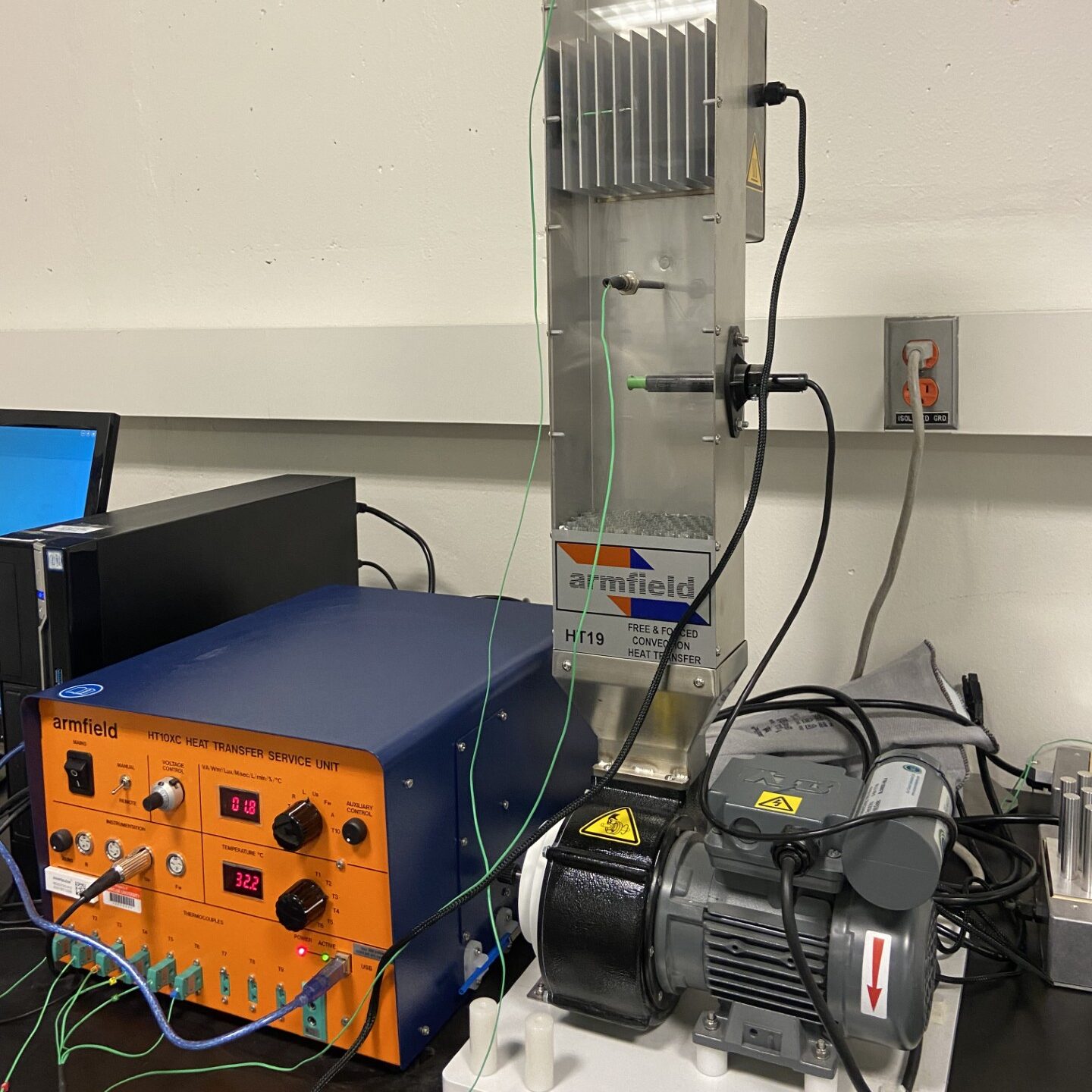
Used a forced convection duct with thermocouple sensors to compare the thermal performance of a heat sink and a flat plate.
- Conducted convection testing with three different airflow velocities (0 m/s, 1m/s, and 2m/s) to evaluate the effect of velocity on the heat transfer coefficient, h.
- Analyzed temperature differences between a heat source and ambient environment to assess the effect of increased surface area on heat transfer performance.
- Verified heat transfer theory relating airflow velocity, surface area, and total heat transfer.
- Examined the effect of conductive heat transfer through a base material on overall heat sink efficiency.
The analyses performed in this project strengthened my skills in correlating theoretical models to experimental results and applying essential heat transfer principles, enabling me to improve device functionality and thermal safety from both conceptual and technical standpoints.
Machine Design | Engineering Equation Solver (EES)
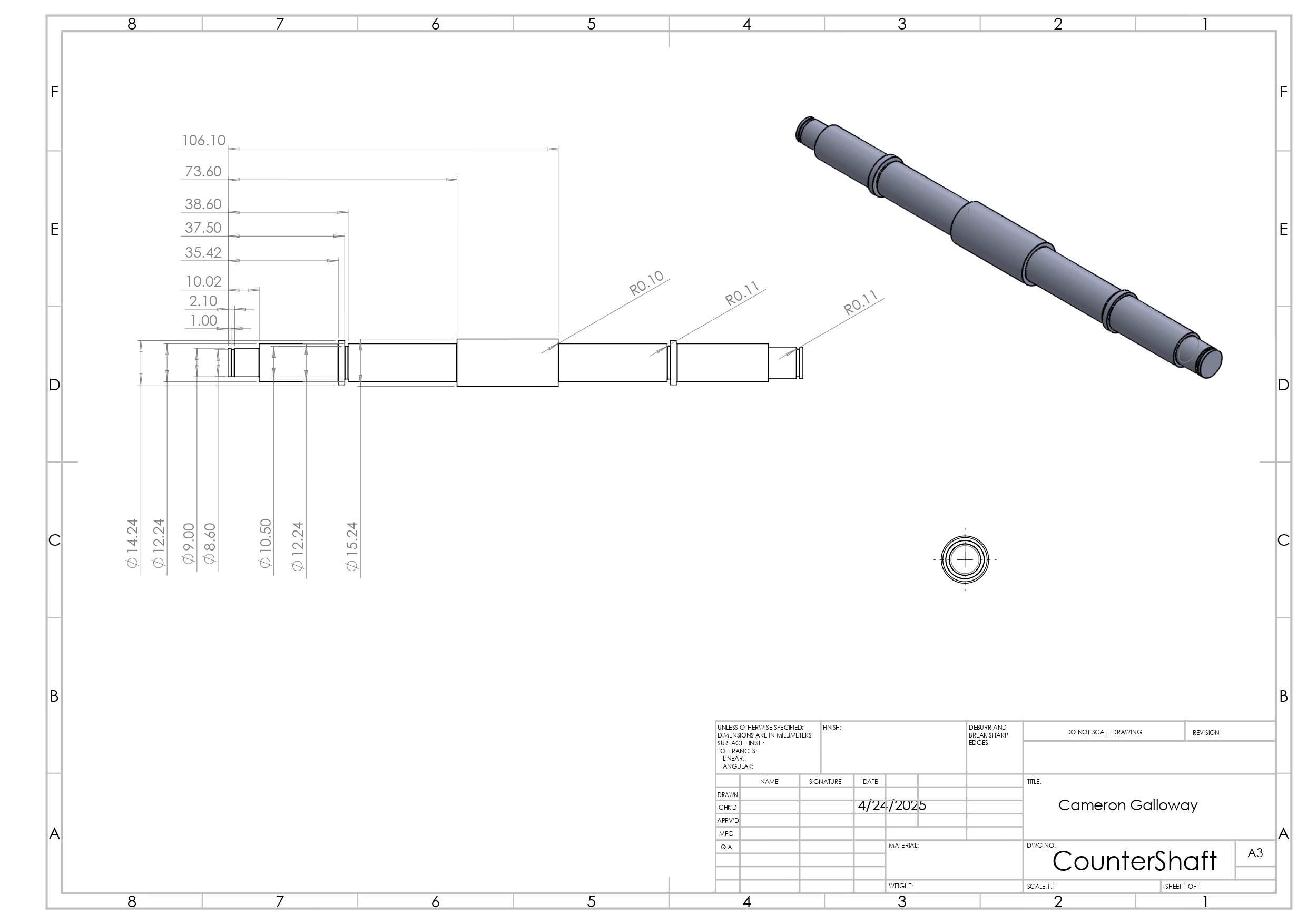
Designed the key components of a two-stage reverted speed reducer based on a detailed system analysis.
- Performed static and fatigue analysis at critical points in the system structure based on a series of assumptions and known parameters
- Took an individualized approach weighing cost and functionality to select optimal shaft materials and diameters
- Performed AGMA spur gear analyses to determine both resultant and allowable stresses, ultimately selecting gears based on iterative determinations of safety factor.
- Sized shoulders, keys, bearings, and retaining rings based on loads, ratings, and empirical equations
From client requests to final product, I gained practical experience with the engineering design process and the technical demands of designing machinery.
Control Systems | MATLAB, State-Space Modeling, Linear Quadratic Regulator
Modeled an inverted pendulum and observed the influence of cost and performance matrices in the Linear Quadratic Regulator method.
- Converted equations of motion for an inverted pendulum to linear state-space representation
- Tested a series of different values within cost and performance matrices to analyze their effect on cart rise time, pendulum deflection angle, and voltage output.
- Observed the system’s behavioral differences between simulation (in Simulink) and real-world implementation
I developed theory-backed hypotheses to optimize the control output of a mechanical system based on a number of required parameters, strengthening my skills in designing functional systems from a theoretical and practical standpoint.
What else do I do?
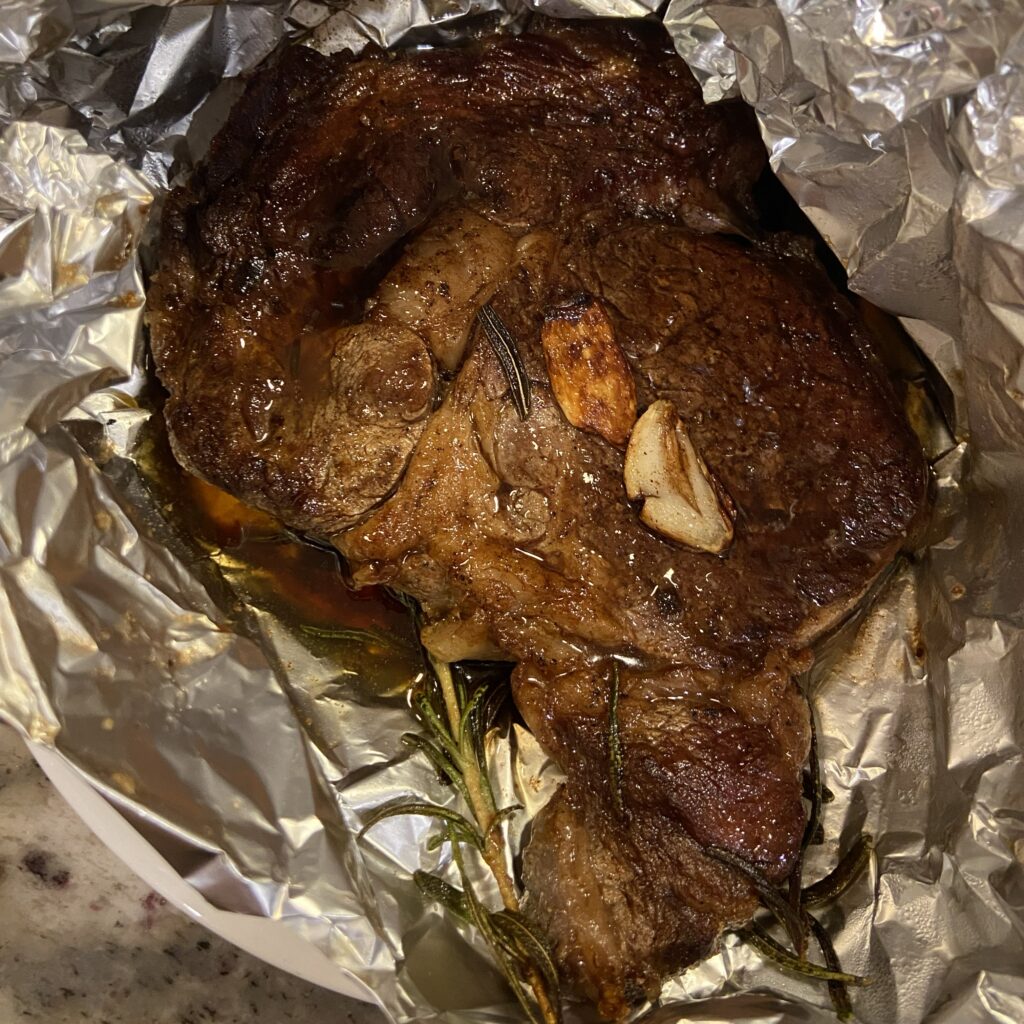
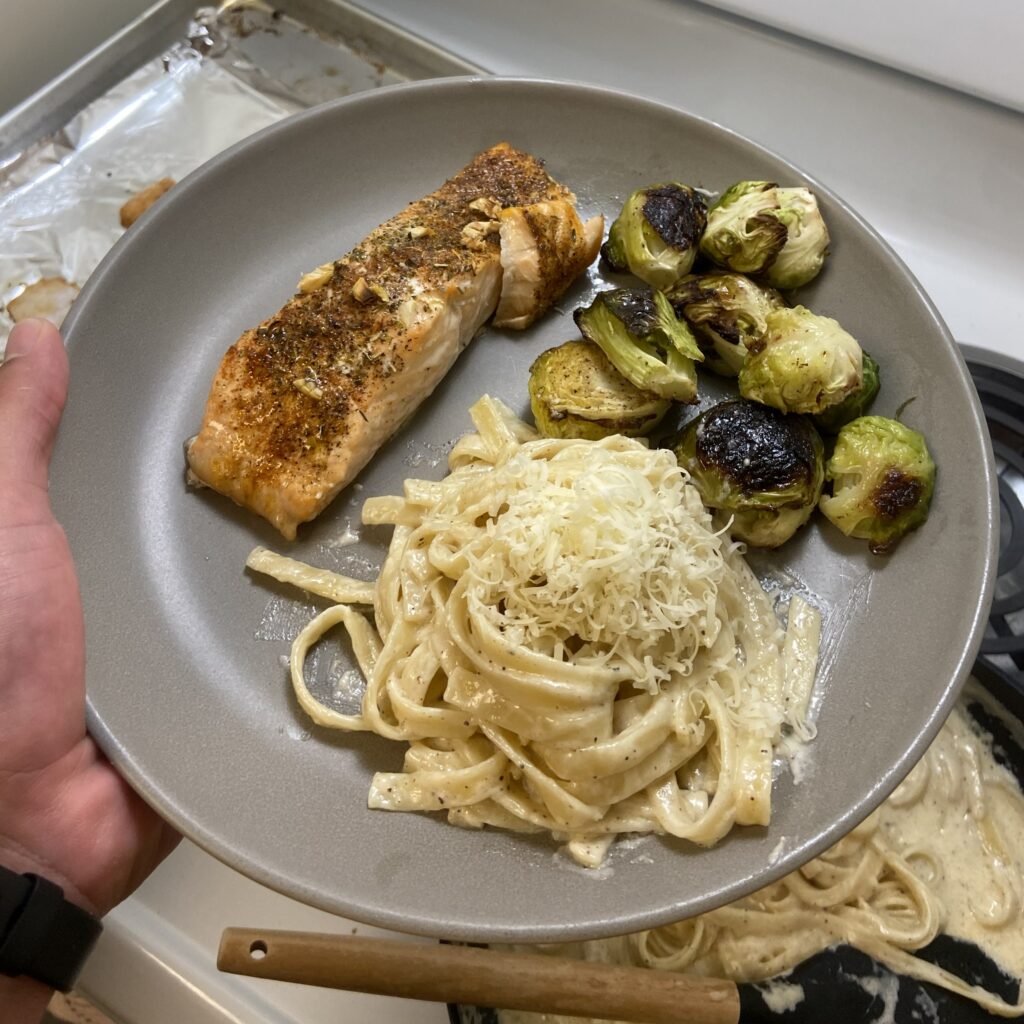
When I need to switch gears from the technical nature of engineering, I find immense joy in the art that is cooking! Its delightful appeal to all five senses has captivated me for as long as I can remember (and, as others have told me, even longer). This, paired with the unique skills and intuition that can only come from years of perfecting the practice, make both cooking and eating amazing food a deep passion of mine. Whether it’s a delicious homemade gumbo, a simple pasta al pesto, or a Michelin-Star take on a traditional beef wellington, I always look forward to joy that a flavorful, well-prepared meal will bring me.


Want to connect?
Cameron Galloway | cjgallow@syr.edu | www.linkedin.com/in/cameron-j-galloway